
18 wonderful (and Slightly weird) facts about newborn babies
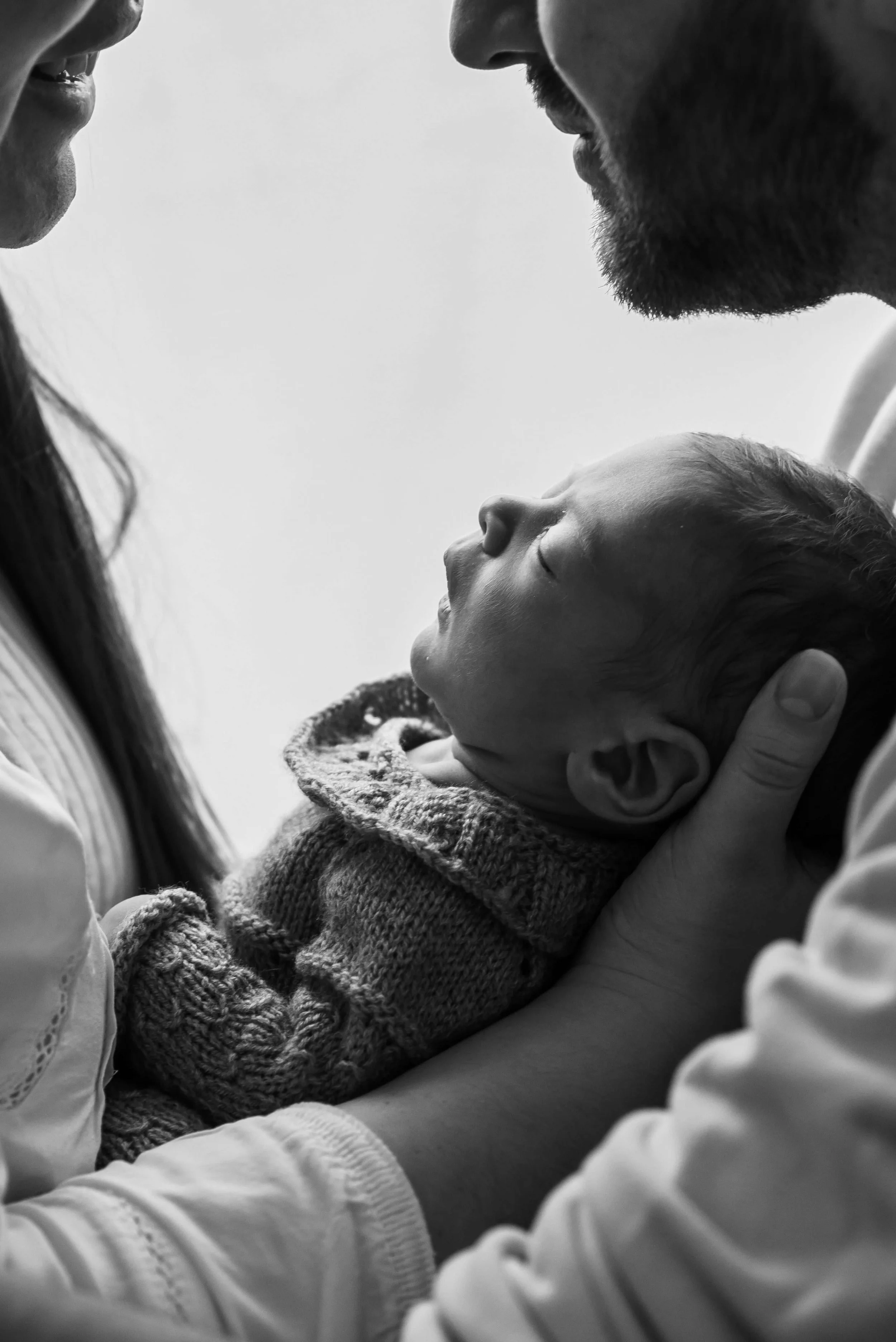
Newborn babies can be fascinating, surprising, and sometimes downright strange.
One moment you're staring at their tiny fingers in amazement, and the next you're wondering why they are grunting and snorting like a puppy in their sleep.
After many years working with newborns, I've learned that some of the things parents worry about most are actually completely normal—and some of the most remarkable things about babies are things many people never learn.
Here are 18 wonderful (and slightly weird) facts about newborn babies.
1. Your Baby Already Knows Your Voice
Long before birth, babies are listening.
During pregnancy, babies hear sounds from inside and outside the womb and become familiar with the voices they hear most often.
Research suggests that newborns can recognise their mother's voice shortly after birth and may even show a preference for familiar voices.
2. Newborns Have More Bones Than Adults
Adults have 206 bones.
Newborns have around 300.
Many of these bones gradually fuse together as children grow.
One reason babies are so flexible is that parts of their skeleton are still developing.
3. Your Baby's Stomach Is Tiny
Many parents worry that their baby wants to feed "too often."
In reality, newborn stomachs are incredibly small.
On the first day of life, a newborn's stomach is roughly the size of a cherry.
Frequent feeding is not a sign that something is wrong—it's exactly what nature intended.
4. Babies Can Hiccup Before They're Born
Many parents remember feeling rhythmic movements during pregnancy.
Those were often hiccups.
Babies can hiccup in the womb and continue hiccupping regularly after birth.
Although they can look dramatic, most babies seem completely unbothered by them.
5. Newborns Spend More Time Dreaming Than Adults
Newborns spend a large proportion of their sleep in active sleep, sometimes called REM sleep.
This is why they:
- Twitch
- Smile
- Grimace
- Wiggle
- Make noises
Many parents think their baby is waking up when they are actually fast asleep.
6. They Can Recognise Their Mother's Smell
Newborns have a remarkable sense of smell.
Within days of birth, many babies can recognise their mother's scent.
This helps support feeding, bonding, and comfort.
7. Newborn Sleep Is Surprisingly Noisy
Many parents expect newborn sleep to be peaceful and quiet.
Instead they discover:
- Grunting
- Snorting
- Squeaking
- Sighing
- Hiccups
- Whimpers
Healthy newborns are often incredibly noisy sleepers.
8. Babies Are Designed To Be Held
For thousands of years, babies spent most of their time in physical contact with caregivers.
From an evolutionary perspective, being close to an adult meant safety.
This is one reason many newborns settle beautifully in your arms but protest when placed down.
It's not because you're spoiling them.
It's because they're being a baby.
9. Their Hair May Change Completely
The hair your baby is born with is not necessarily the hair they will keep.
Some babies lose most of their newborn hair before it grows back again.
A blonde baby may become brunette, and a dark-haired baby may become much lighter.
10. Their Eye Colour May Change Too
Many babies are born with blue-grey eyes that gradually change during the first year of life.
Eye colour can continue developing for several months after birth.
11. Babies Have Built-In Reflexes
Newborns arrive with a collection of remarkable reflexes.
These include:
- Rooting
- Sucking
- Grasping
- Stepping
- The Moro (startle) reflex
These reflexes help babies survive and adapt to life outside the womb.
12. Some Newborns Can Crawl To The Breast
When placed skin-to-skin after birth, some babies can slowly wriggle their way towards the breast.
This behaviour is often called the breast crawl.
It is one of the most amazing things to witness.
13. Babies Grow Faster In Their First Year Than At Any Other Time
Birth is only the beginning.
During the first year, babies experience extraordinary growth and development.
Many babies will triple their birth weight by their first birthday.
14. Crying Is Not Their Only Language
Parents often focus on crying, but babies communicate in many ways.
They use:
- Body movements
- Facial expressions
- Changes in breathing
- Hand movements
- Feeding behaviour
Learning to read these signals is one of the most rewarding parts of early parenthood.
15. Babies Can Cry With An Accent
It sounds unbelievable, but research suggests that babies may reflect the rhythm and melody of the language they heard during pregnancy.
Some studies have found differences in the crying patterns of babies born into different language environments.
Your baby begins learning about language long before they say their first word.
16. Newborn Girls Can Have A Tiny "Mini Period"
Because babies are exposed to maternal hormones during pregnancy, some newborn girls may have a small amount of vaginal bleeding during the first few days of life.
This can be alarming if you are not expecting it, but it is usually completely normal and temporary.
17. Newborn Breasts Can Swell
Both baby girls and baby boys can develop swollen breast tissue shortly after birth.
Again, this is related to maternal hormones and usually settles on its own over time.
It is best not to squeeze or massage the area.
18. Many Newborns Cry Before They Produce Tears
Parents are often surprised to discover that newborns may cry without producing visible tears.
Tear production usually increases during the first few weeks of life.
Until then, you may hear plenty of crying without seeing many tears.
A Final Thought
The newborn stage can be exhausting.
It can also be extraordinary.
In the middle of the night, when you're feeding, changing nappies, or wondering whether you'll ever sleep again, it can be easy to forget just how remarkable these tiny humans are.
They arrive in the world already recognising voices, communicating their needs, adapting to an entirely new environment, and learning at an astonishing rate.
The newborn stage doesn't last forever, but the wonder of it is something many parents remember for the rest of their lives.
And if you're currently holding a noisy, hiccupping, milk-dribbling little human who only wants to sleep in your arms, perhaps take comfort in knowing that many of the things that seem strange are actually signs that your baby is doing exactly what babies have done for thousands of years.
About The Author
Solange Martins is a mentor, coach, and maternity nurse with over 20 years of experience supporting women through every season of motherhood. Based in the UK, she works with mothers at all stages — from the newborn haze to rediscovering their identity in later chapters — offering compassionate guidance, practical tools, and a steady, non-judgmental space to find their footing again.