
is my newborn too hot or too cold?a practical Guide for parents
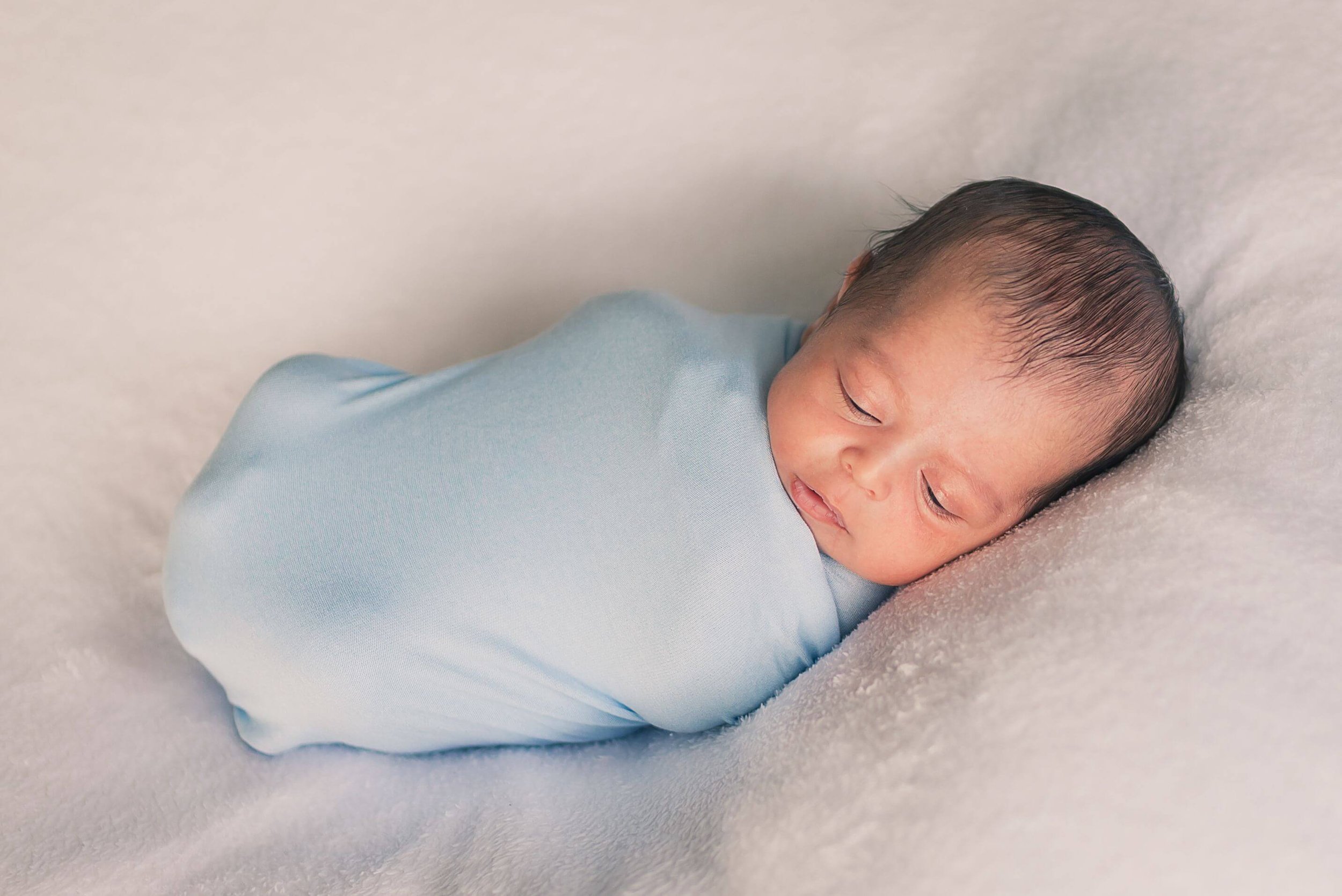
One of the most common worries new parents have is whether their baby is too hot or too cold.
Perhaps your baby’s hands feel cold. Maybe their cheeks feel warm. A grandparent suggests another blanket, while an online article warns about overheating.
It’s no wonder parents feel confused.
The good news is that keeping your baby comfortable does not need to be complicated. Understanding a few basic principles can help you feel more confident and make sensible decisions without constantly second-guessing yourself.
Why Do Newborns Get Hot and Cold More Quickly?
Newborns regulate their body temperature differently from older children and adults.
They have:
Less body fat
A larger body surface area relative to their size
Immature temperature regulation systems
As a result, they can become cold or overheated more quickly than adults.
This doesn’t mean they need constant temperature checks, but it does mean we need to be mindful of their environment and clothing.
Why Hands and Feet Are Not Reliable Indicators
One of the biggest misconceptions in newborn care is that cold hands or feet mean a baby is cold.
In reality, newborn circulation is still developing, and blood flow is prioritised to vital organs.
As a result, hands and feet often feel cooler than the rest of the body.
This is usually completely normal.
Instead of checking hands and feet, check your baby’s:
Chest
Upper back
Back of the neck
These areas give a much better indication of your baby’s overall temperature.
Warm cheeks, cool hands, or cool feet rarely tell the whole story.
Signs Your Baby May Be Too Hot
Signs of overheating can include:
Sweating
Damp hair
Flushed cheeks
Rapid breathing
Restlessness
A hot chest or upper back
Heat rash
Overheating is generally considered more concerning than being slightly cool because babies cannot remove layers or blankets themselves.
Signs Your Baby May Be Too Cold
Signs your baby may be too cold include:
A cool chest or upper back
Pale or mottled skin
Lethargy
Poor feeding
Unusual sleepiness
Again, cold hands and feet on their own are usually not enough to tell us whether a baby is cold.
Why Advice About Keeping Babies Warm Can Be So Confusing
One reason parents often receive conflicting advice is that beliefs about baby temperature are heavily influenced by culture, climate, family traditions, and personal experience.
In some cultures, babies are routinely dressed in several layers and hats, even indoors. In others, parents are encouraged to keep babies cooler and focus on room temperature rather than heavy clothing.
Grandparents, friends, healthcare professionals, and online parenting groups may all offer different opinions.
The reality is that there is no single outfit that suits every baby, every home, or every climate.
Understanding the principles of temperature regulation is often more helpful than following rigid rules.
Every Baby Is Different
Just as adults differ in how warm they like to be, babies vary too.
Some babies naturally seem warmer, while others appear more comfortable with an extra layer.
The goal is not to follow an exact formula but to observe your baby, understand the environment, and make adjustments when needed.
What Room Temperature Is Best?
Many safe sleep organisations recommend a room temperature of around 16–20°C (61–68°F).
However, few homes remain at exactly the same temperature all night.
Room thermometers can be helpful, but they are guides rather than guarantees.
Your baby’s comfort, feeding, sleep, and behaviour are equally important pieces of information.
Why Babies Sometimes Feel Cooler At 4 a.m.
Many parents notice that their baby feels cooler in the early hours of the morning.
This is not unusual.
As part of our natural body rhythm, body temperature tends to fall during the night and often reaches its lowest point between approximately 3 a.m. and 5 a.m.
At the same time, outdoor temperatures are often at their lowest and many homes cool down overnight.
This can make babies feel cooler at 4 a.m. than they did when they first went to sleep.
When dressing your baby for bed, it can be helpful to think about the coolest part of the night rather than just the temperature at bedtime.
Cotton, Fleece and Polyester: Does Fabric Matter?
The type of clothing your baby wears can affect how easily they regulate their temperature.
Cotton
Cotton is often a good choice for newborns because it is:
Breathable
Lightweight
Soft against sensitive skin
Good at allowing heat to escape
Fleece and Polyester
Fleece and polyester can provide warmth but are generally less breathable than natural fibres.
Because they trap heat more effectively, babies wearing thick synthetic fabrics may become overheated more quickly, particularly indoors.
A baby wearing a thick fleece sleepsuit may be significantly warmer than a baby wearing a lightweight cotton sleepsuit, even if both are wearing the same number of layers.
For sleep, breathable fabrics are usually the safest and most comfortable option.
A Helpful Starting Point
Parents are often told that babies need one more layer than an adult.
A practical way to think about this is to consider your own comfort.
If you are comfortable sleeping in lightweight pyjamas with a sheet, your baby is unlikely to need multiple thick layers.
On the other hand, if you need warm pyjamas and a duvet to feel comfortable, your baby will probably need more than a single thin cotton layer.
The goal is not to copy exactly what an adult wears but to use your own comfort as a starting point.
Remember that babies cannot pull a blanket off if they become too hot or ask for an extra layer if they become cold.
What About Hats?
For healthy term babies, hats are generally not needed indoors after the first few hours following birth.
Babies release heat through their heads, and keeping hats on indoors can sometimes contribute to overheating.
Premature babies or babies with specific medical needs may have different requirements, so always follow the advice of your healthcare team.
Swaddles and Sleep Sacks
There are many different swaddles and sleep sacks available, and choosing between them can feel overwhelming.
The most important thing is understanding how the product works, what TOG rating it has, and how it fits with your room temperature and your baby’s clothing underneath.
One reason I often like swaddles such as the Love to Dream style is that they make layering simple.
Depending on the room temperature, parents can adjust what their baby wears underneath while keeping the swaddle itself consistent. This can make it easier to avoid over-bundling while still keeping babies comfortable.
Whatever sleep sack or swaddle you choose:
Follow the manufacturer’s guidance
Check your baby’s chest or upper back
Avoid adding extra blankets over a swaddled baby
Adjust layers if the weather changes significantly
Hot Weather Tips
During warmer weather:
Dress your baby in lightweight clothing
Offer feeds regularly
Keep rooms ventilated where possible
Use shade outdoors
Avoid direct sunlight
Never place blankets or covers over a pram, as this can trap heat surprisingly quickly
Cold Weather Tips
During colder weather:
Use layers rather than one very thick outfit
Consider the coolest part of the night
Remove outdoor layers once indoors
Avoid overheating in heated homes, shops, and cars
Air Conditioning and Heating Can Be Deceptive
Air conditioning, fans, and central heating can make a room feel different in various parts of the house.
The temperature near your baby’s cot may not be exactly the same as the temperature shown on a thermostat elsewhere in the home.
Always consider where your baby is actually sleeping rather than relying solely on a temperature reading from another room.
Car Seats Can Be Warmer Than You Think
Babies often become warmer in car seats because airflow is reduced and the padding holds heat close to the body.
Avoid bulky coats and snowsuits under car seat harnesses and check your baby regularly during longer journeys.
Night Feeds and Temperature
During night feeds, it is usually unnecessary to completely undress your baby unless a nappy change is needed.
Repeatedly removing layers can make it harder for babies to stay comfortable and settle back to sleep.
Fever vs Feeling Warm
A baby who feels warm is not necessarily feverish.
The only reliable way to know whether your baby has a fever is to measure their temperature.
Any baby under 3 months of age with a temperature of 38°C or above should be assessed by a healthcare professional.
When Should I Seek Medical Advice?
Contact a healthcare professional if your baby:
Has a temperature of 38°C or higher if under 3 months old
Appears unusually sleepy or difficult to wake
Is feeding poorly
Shows signs of dehydration
Has breathing difficulties
Appears persistently too hot or too cold despite appropriate clothing and environment
Simply seems unwell
A baby who is unwell may regulate their temperature differently from a healthy baby.
Trust Your Baby, Not Just The Thermometer
Room temperature guidelines are helpful, but your baby doesn’t read the thermometer.
A baby who is feeding well, sleeping comfortably, producing normal wet nappies, and appears content is often giving you useful information about how comfortable they are.
Temperature management doesn’t have to be perfect.
The goal is simply to keep your baby comfortable, safe, and appropriately dressed for the environment they are in.
You’re Not Failing
If you’ve ever stood over your sleeping baby wondering whether to add a layer, remove a layer, or check the room temperature for the tenth time that night, you’re not alone.
Every parent worries about getting it right.
The good news is that most healthy babies are remarkably good at letting us know when they are uncomfortable.
The more time you spend with your baby, the more confident you will become at recognising what feels right for them.
If you would like personalised newborn support, I offer remote consultations to help parents navigate feeding, sleep, settling, routines, and the many questions that arise during the early weeks with a new baby.
About The Author
Solange Martins is a mentor, coach, and maternity nurse with over 20 years of experience supporting women through every season of motherhood. Based in the UK, she works with mothers at all stages — from the newborn haze to rediscovering their identity in later chapters — offering compassionate guidance, practical tools, and a steady, non-judgmental space to find their footing again.