
Newborn grunting, snorting and noisy sleep: what’s normal?
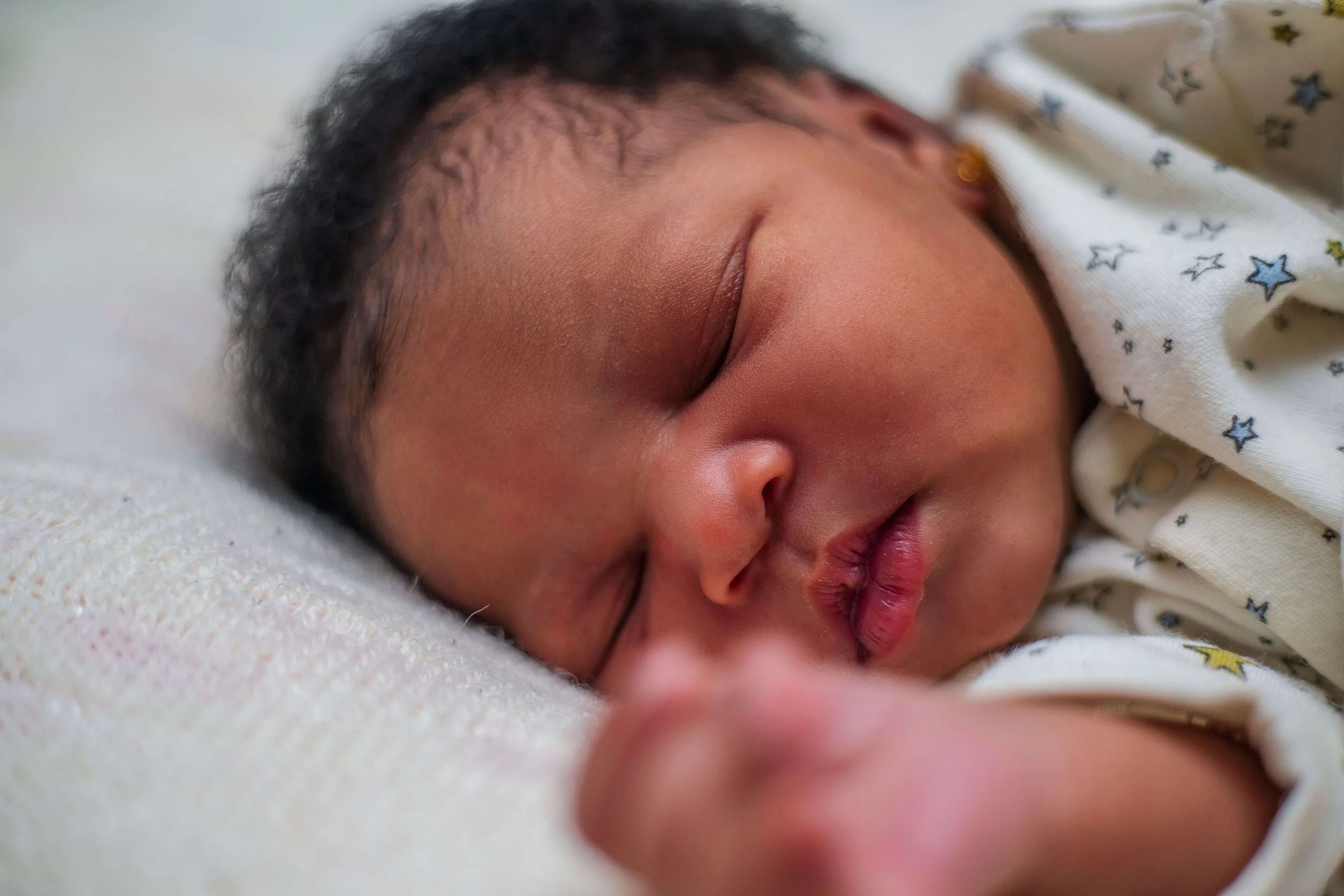
Many new parents are surprised by just how noisy newborns can be.
You finally get your baby to sleep, only to hear grunting, snorting, squeaking, sighing, whistling, groaning, hiccups, sneezing, and all sorts of unexpected sounds coming from the cot.
It’s completely understandable to wonder whether something is wrong.
The good news is that most newborn noises are perfectly normal and simply reflect a baby whose body is still adapting to life outside the womb.
Understanding why newborns are often such noisy sleepers can help you worry less and feel more confident during those early weeks.
Why Are Newborns So Noisy?
Newborns are still developing many of the systems that adults take for granted.
Their breathing patterns, digestive system, nervous system, and sleep cycles are all immature.
As a result, they often make far more noise than older children and adults while sleeping.
Many parents expect newborn sleep to be peaceful and quiet. In reality, healthy newborns are often surprisingly noisy sleepers.
Most of the time, these sounds are simply part of normal newborn development.
Their Airways Are Still Adjusting After Birth
Before birth, your baby’s lungs were filled with fluid rather than air.
During labour, birth, and the first few days of life, much of this fluid is naturally squeezed out, absorbed, and cleared as the lungs begin functioning independently.
This process continues after birth, and combined with a newborn’s tiny airways, it can contribute to some of the snuffling, snorting, and noisy breathing that parents often notice.
Babies born by caesarean section may sometimes sound a little noisier in the early days because they do not experience the same compression through the birth canal that helps clear fluid from the lungs during a vaginal birth.
Active Sleep: Why Your Baby Seems Restless
One reason newborns appear so noisy is that they spend a large proportion of their sleep in what is known as active sleep.
Adults spend most of their night in deeper, quieter stages of sleep. Newborns, however, spend around half of their sleep time in active sleep.
During active sleep, you may notice:
Grunting
Squeaking
Facial expressions
Smiling
Twitching
Small body movements
Brief cries or whimpers
Although it can look as though your baby is waking up, they are often still asleep.
Before rushing to pick your baby up, pause for a moment and watch.
Newborns often grunt, squirm, squeak, and make all sorts of noises while remaining completely asleep. Sometimes what looks like waking is simply active sleep.
Periodic Breathing: Another Normal Newborn Quirk
Many newborns have an irregular breathing pattern known as periodic breathing.
You may notice your baby breathing quickly for a few seconds, slowing down, or even pausing briefly before resuming normal breathing.
Short pauses of less than 10 seconds can be completely normal in healthy newborns.
This pattern usually becomes less noticeable as your baby’s respiratory system matures.
Why Do Newborns Grunt?
Grunting is one of the most common newborn noises.
In many cases, it is related to digestion.
Newborns are learning how to coordinate the muscles involved in passing wind and stools. This process takes practice.
You may notice grunting particularly:
After feeds
During the night
Before passing wind
Before a bowel movement
Some babies also experience infant dyschezia, where they strain and grunt while learning how to coordinate their abdominal muscles and pelvic floor.
Although it can sound uncomfortable, it is usually a normal developmental stage that improves with time.
Why Does My Baby Snort or Sound Congested?
Newborns have extremely small nasal passages.
Even a tiny amount of mucus, dried milk, dust, or normal swelling inside the nose can make breathing sound surprisingly noisy.
You may hear:
Snorting
Snuffling
Whistling
Congested-sounding breathing
This can be particularly noticeable after feeds or when your baby is lying flat.
Because newborns primarily breathe through their noses, even minor congestion can sound dramatic.
This may be related to normal mucus, residual fluid clearance in the early days, dry air, or milk that has refluxed slightly into the back of the nose after a feed.
Fortunately, it is usually harmless.
Why Does My Newborn Sneeze So Much?
Parents are often surprised by how frequently newborns sneeze.
In most cases, sneezing does not mean your baby has a cold.
Sneezing is one of the ways babies clear dust, mucus, milk residue, and other irritants from their tiny nasal passages.
Occasional sneezing is usually a sign that your baby’s nose is doing exactly what it is supposed to do.
Why Does My Newborn Get Hiccups So Often?
Hiccups are extremely common in newborns and are usually nothing to worry about.
In fact, many parents remember feeling their baby hiccup while still in the womb.
After birth, hiccups often occur because the diaphragm—the muscle involved in breathing—is still developing and can be easily stimulated by feeding, swallowing air, or a full stomach.
Although hiccups can look uncomfortable to parents, most babies seem completely unbothered by them.
In most cases, hiccups become less frequent as babies grow and their digestive and nervous systems mature.
Could It Be Reflux?
Some newborns make extra noises because milk occasionally flows back up from the stomach into the oesophagus.
This is common because the valve between the stomach and oesophagus is still immature.
Signs that may accompany reflux include:
Frequent spit-up
Arching the back
Fussiness during or after feeds
Swallowing noises
Mild coughing after feeding
Most reflux improves naturally as babies grow and their digestive system matures.
Practical Tips for Parents
If your baby seems noisy but otherwise healthy, these simple measures may help:
Allow time for burping after feeds.
Hold your baby upright for a short period after feeding.
Use saline nasal drops if recommended by your healthcare provider.
Keep the room comfortably cool and well ventilated.
Follow safe sleep guidance and always place your baby on their back to sleep.
Avoid overusing nasal suction devices, which can sometimes irritate delicate nasal tissues.
Most importantly, remember that noisy does not necessarily mean unwell.
When Should I Be Concerned?
While most newborn noises are normal, some symptoms should always be assessed by a healthcare professional.
Seek medical advice if your baby:
Has a temperature of 38°C or higher if under 3 months old
Is feeding poorly
Has significantly fewer wet nappies than usual
Appears unusually sleepy or difficult to wake
Has persistent vomiting
Has persistent mouth breathing
Develops blue, grey, or pale colouring around the lips, tongue, or face
Shows signs of breathing difficulty
Has chest retractions, where the skin pulls in around the ribs or neck during breathing
It’s worth noting that bluish hands and feet can be normal in newborns, especially when they are cool. Blue colouring around the lips or tongue is different and should always be assessed urgently.
Trust your instincts. If something does not feel right, it is always appropriate to seek medical advice.
You’re Not Failing
Many parents lie awake listening to every sound their newborn makes and wondering if something is wrong.
The reality is that newborns are often surprisingly noisy sleepers.
Those grunts, snorts, squeaks, hiccups, sneezes, wiggles, and sighs are usually signs of a developing baby whose body is learning how to function outside the womb.
If your baby is feeding well, growing, and otherwise healthy, noisy sleep is usually just another normal part of the newborn stage.
And if you’re ever unsure, remember that asking questions and seeking reassurance is part of being a thoughtful parent—not a sign that you’re doing anything wrong.
If you would like personalised newborn support, I offer remote consultations to help parents navigate feeding, sleep, settling, routines, and the many questions that arise during the early weeks with a new baby.
About Solange
Solange Martins Stanger is the founder of SOL Coaching, a women’s coach, maternity nurse and mother of two, with over 15 years of experience supporting families. She understands how deeply motherhood can change a woman’s sense of herself. Her work offers space for women to feel heard, reconnect with their own needs and explore what they want for their lives—alongside caring for the people they love.