
newborn Sleep: what’s actually normal in the first 12 weeks?
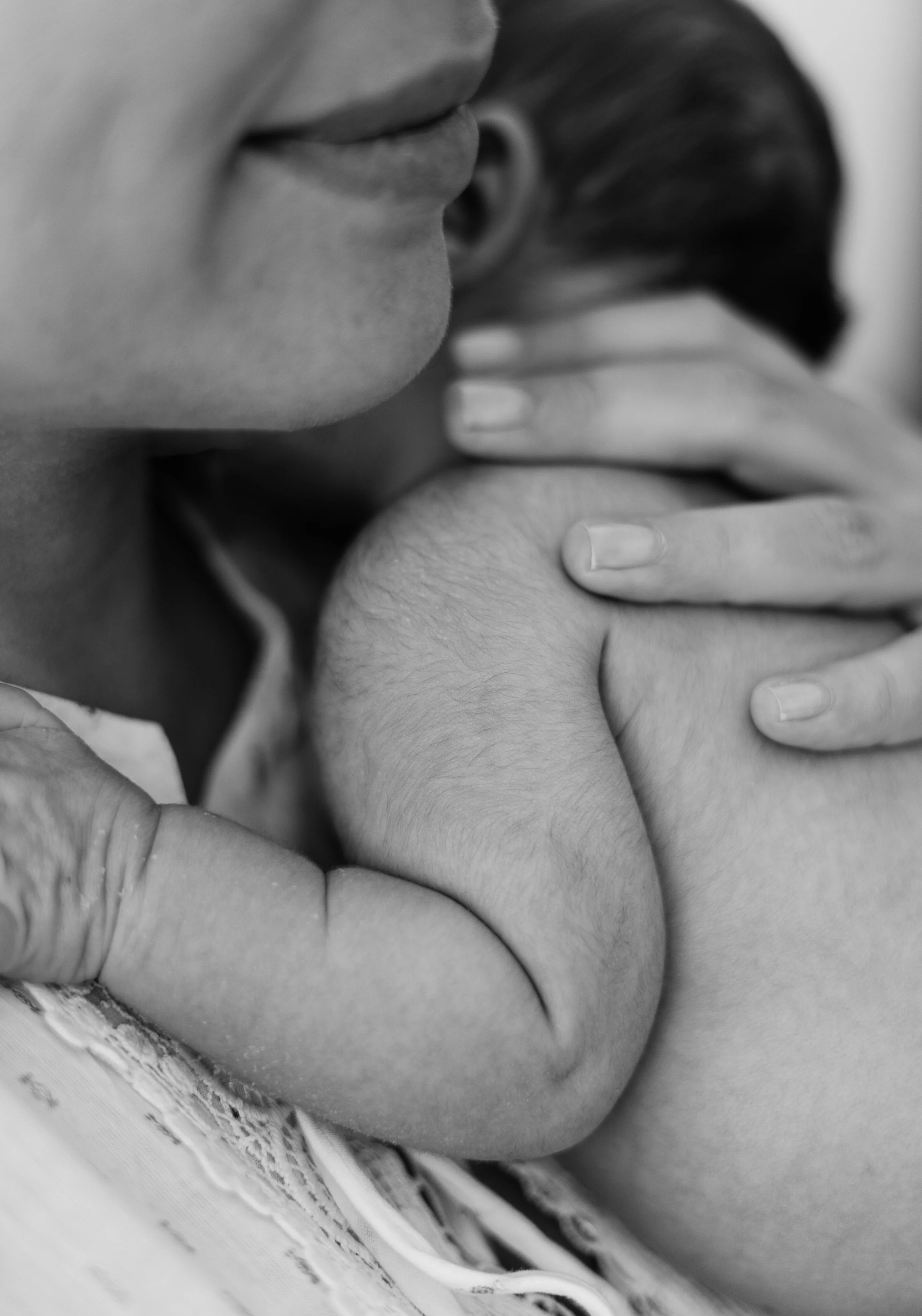
If you’ve ever found yourself awake at 3 a.m. wondering whether your baby should be sleeping
more, you’re not alone.
One of the biggest surprises for new parents is how different newborn sleep looks compared to what they expected.
Before baby arrives, many people imagine long naps, peaceful evenings, and predictable sleep patterns.
The reality is often very different.
Your newborn may wake every couple of hours, prefer sleeping on you rather than in the cot, seem to confuse day and night, and have short naps that barely give you time to make a cup of tea.
Most importantly, none of this necessarily means anything is wrong.
Understanding what normal newborn sleep looks like can help reduce worry and build confidence during those intense early weeks.
Newborn Sleep Is Different From Adult Sleep
Newborns are not born with mature sleep patterns.
Unlike adults, they spend much more time in active sleep, a lighter stage of sleep where they may:
• Move their arms and legs
• Smile or grimace
• Make noises
• Open their eyes briefly
• Seem as though they are waking up
Many parents accidentally wake their baby during this stage because they think the baby is fully awake.
In reality, newborn sleep is often noisy, active, and unpredictable.
This is completely normal.
How Much Sleep Does A Newborn Need?
Although every baby is different, most newborns sleep somewhere between 14 and 17 hours over a 24-hour period.
The important thing to remember is that this sleep is usually spread across many short periods rather than happening in long stretches.
Some babies may sleep a little more.Some may sleep a little less.
What’s more helpful than counting exact hours is looking at the whole picture:
• Is your baby feeding well?
• Are they producing enough wet and dirty nappies?
• Are they gaining weight appropriately?
• Do they have periods of alertness when awake?
If the answer is yes, occasional variations in sleep are usually not a cause for concern.
Why Do Newborns Wake So Often?
Many parents worry that frequent waking means their baby has a sleep problem.
In fact, waking frequently is one of the most normal things a newborn can do.
There are several reasons for this.
Their Stomach Is Small
A newborn’s stomach can only hold a small amount of milk.
Breastfed and formula-fed babies alike often need frequent feeds because their bodies are growing rapidly and require a constant supply of energy.
Their Internal Clock Is Still Developing
Newborns are not born knowing the difference between day and night.
Their circadian rhythm develops gradually over the first few months of life.
This is why many babies seem wide awake in the evening and sleepier during the day.
Frequent Waking Is Protective
Research suggests that lighter sleep and regular waking may play a protective role in infancy.
While exhausting for parents, waking frequently is considered a normal part of newborn biology.
What Is Normal At Different Ages?
Birth To 2 Weeks
During the first couple of weeks, babies are often very sleepy.
Many healthcare professionals recommend waking babies regularly for feeds until feeding is well established and weight gain is progressing appropriately.
At this stage, feeding and growth are the priorities.
2 To 6 Weeks
Many babies become more alert and wakeful.
This is often when parents begin to notice:
• Evening fussiness
• Cluster feeding
• Short naps
• More frequent waking
Although challenging, this period is extremely common.
6 To 12 Weeks
Around this age, some babies begin to develop slightly longer stretches of sleep.
However, there is a huge range of normal.
Some babies may sleep for longer periods overnight.
Others continue waking frequently.
Neither automatically indicates good or poor parenting.
Why Does My Baby Only Sleep On Me?
If your newborn settles beautifully in your arms but wakes the moment you place them down, you’re not alone.
For nine months your baby experienced:
• Warmth
• Movement
• A constant heartbeat
• Your voice
• Continuous closeness
Being placed alone on a flat sleep surface is a very different experience.
Many newborns naturally seek contact, comfort, and reassurance.
This does not mean you are creating bad habits.
It means your baby is adapting to life outside the womb.
Always follow current safe sleep guidance when settling your baby to sleep.
When Should I Seek Advice?
While frequent waking is normal, it’s important to contact your healthcare professional if your baby:
• Is difficult to wake for feeds
• Is feeding poorly
• Has fewer wet nappies than expected
• Appears unusually lethargic
• Is not gaining weight appropriately
• Shows signs of illness
Trust your instincts.
You know your baby best.
The Reassurance Most Parents Need
One of the hardest parts of early parenthood is feeling as though everyone else’s baby is sleeping better than yours.
The truth is that newborn sleep is often messy, unpredictable, and completely normal.
Many babies wake frequently.
Many prefer contact naps.
Many feed often throughout the night.
None of these things automatically mean that something is wrong.
Your baby isn’t giving you a hard time.
They’re simply having a hard time adjusting to the world around them.
And while it may not feel like it at 3 a.m., this stage does pass.
For now, focus on feeding, connection, rest whenever you can, and remembering that newborn sleep is not something you need to perfect.
It’s something you and your baby will gradually grow through together.
About The Author
Solange Martins is a mentor, coach, and maternity nurse with over 20 years of experience supporting women through every season of motherhood. Based in the UK, she works with mothers at all stages — from the newborn haze to rediscovering their identity in later chapters — offering compassionate guidance, practical tools, and a steady, non-judgmental space to find their footing again.