
Understanding Newborn Jaundice: What’s Normal, What’s Not, and When To Seek Help
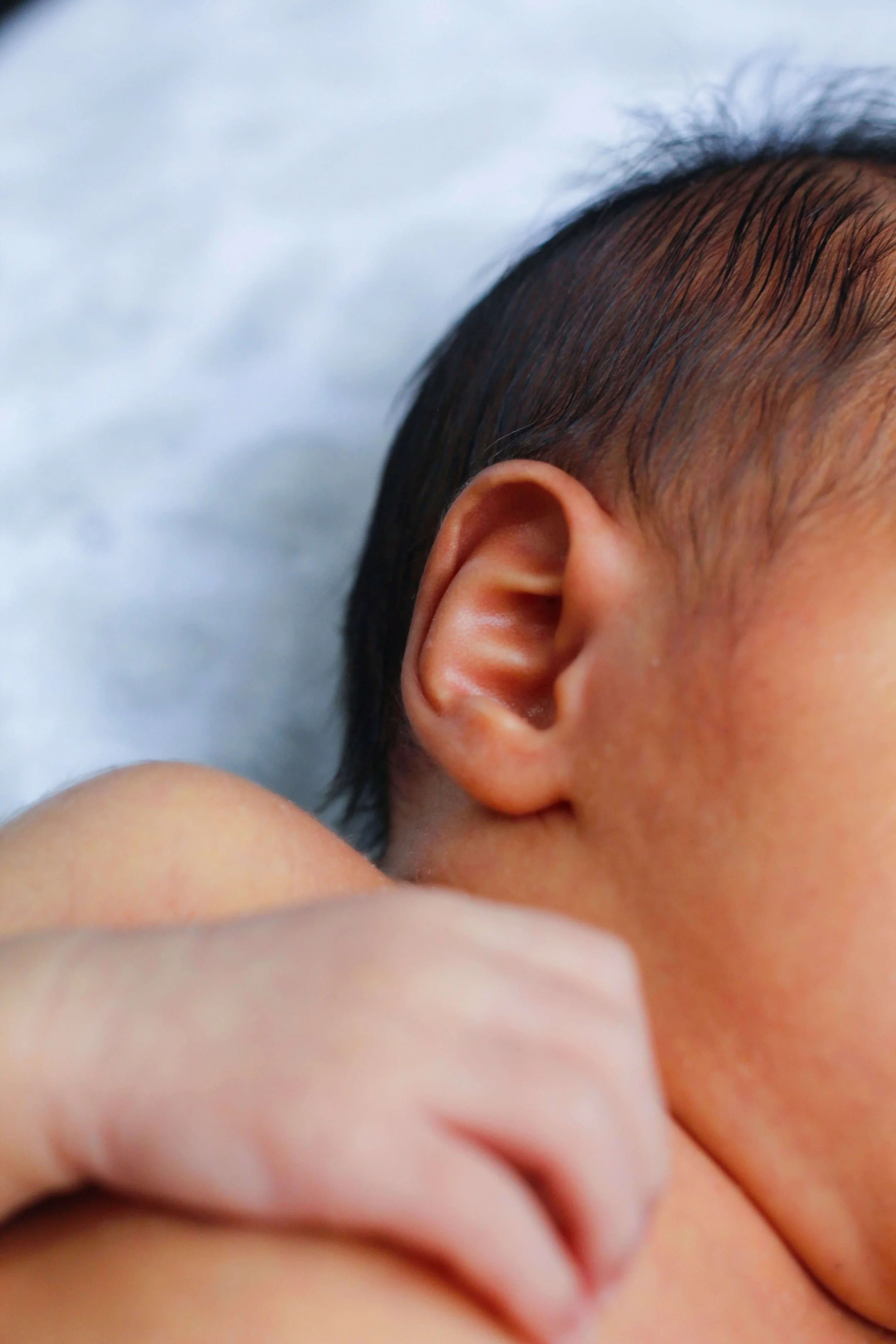
One of the most common reasons parents seek advice during the first week of life is newborn jaundice.
For many babies, jaundice is a normal part of the transition from life inside the womb to life outside it.
However, because jaundice can occasionally signal a more serious problem, it is important for parents to understand what it is, why it happens, and when medical assessment is needed.
What Is Jaundice?
Jaundice is the yellow colouring that can appear in a baby’s skin and the whites of their eyes.
It is caused by a build-up of bilirubin in the blood.
Bilirubin is produced naturally when old red blood cells are broken down.
Before birth, the placenta helps remove bilirubin from a baby’s body.
After birth, the baby’s liver must take over this job.
Because a newborn’s liver is still developing, bilirubin can temporarily build up faster than it can be removed.
This is why jaundice is so common during the newborn period.
How Common Is It?
Jaundice affects approximately:
60% of full-term babies
Up to 80% of premature babies
Most cases are mild and resolve without causing long-term problems.
Which Babies Are More Likely To Develop Jaundice?
Jaundice is more common in:
Premature babies
Babies who have bruising from birth
Babies born with the help of forceps or vacuum extraction
Babies with a sibling who required jaundice treatment
Babies with blood group incompatibilities
Babies who are not feeding effectively
Babies who experience significant weight loss
These babies may require closer monitoring.
Why Feeding Matters So Much
One of the most important ways parents can help is by ensuring their baby is feeding effectively.
Good milk intake helps babies:
Stay hydrated
Produce wet nappies
Pass stools
Eliminate bilirubin
In the first days after birth, healthcare professionals often pay close attention to:
Feeding effectiveness
Weight loss
Wet nappies
Dirty nappies
because all of these influence how efficiently bilirubin is removed.
Breastfeeding And Jaundice
Many parents worry that breastfeeding causes jaundice.
This is a common misconception.
Breastfeeding itself does not cause jaundice.
However, a baby who is struggling to transfer milk effectively may have higher bilirubin levels because they are not receiving enough fluid and passing enough stools.
This is why feeding support is often one of the most important parts of jaundice management.
Most breastfed babies with jaundice can continue breastfeeding successfully.
Why Dirty Nappies Matter
Many parents are surprised to learn that bilirubin leaves the body mainly through stools.
A baby who is feeding well and producing regular dirty nappies is helping their body clear bilirubin naturally.
In my experience, monitoring feeding and nappies often provides valuable information about how well a baby is progressing.
Cultural Differences And Jaundice
Different cultures often have different beliefs about jaundice.
Some families are told to place babies near windows or in sunlight.
Others may be reassured that jaundice is simply something all babies get.
While mild jaundice is common, it should never be assumed that every yellow-looking baby is fine.
Jaundice should always be assessed according to current medical guidance.
It is also important to remember that jaundice can be harder to recognise in babies with darker skin tones.
Parents may notice yellowing more easily in:
The whites of the eyes
The gums
The inside of the lips
rather than the skin itself.
What Is Usually Normal?
In healthy full-term babies:
Jaundice appears after 24 hours of age
Peaks around days 3 to 5
Improves gradually
Occurs in a baby who is feeding reasonably well and generally alert
Many babies require nothing more than observation and ongoing feeding support.
What Is Not Normal?
Seek medical advice promptly if:
Jaundice appears during the first 24 hours
Your baby is difficult to wake for feeds
Your baby is feeding poorly
Your baby is unusually sleepy or floppy
Jaundice is worsening rapidly
Your baby develops a high-pitched cry
Urine becomes dark
Stools become pale, white, or chalk-coloured
Pale stools are particularly important and should never be ignored.
How Is Jaundice Assessed?
Healthcare professionals may:
Examine your baby
Measure bilirubin through the skin using a special scanner
Arrange a blood test if necessary
The results are compared with your baby’s age in hours to determine whether treatment is needed.
What Is Phototherapy?
Phototherapy uses special blue light to help break bilirubin down into a form that the body can remove more easily.
Although seeing a baby under phototherapy lights can be worrying, it is a safe and highly effective treatment.
Many babies only require treatment for a short period.
Some babies may continue feeding normally during treatment, while others may need additional monitoring and support.
Should I Put My Baby In Sunlight?
Many grandparents and well-meaning friends suggest sunlight as a treatment for jaundice.
While natural light may help you notice jaundice, it should not be used as a substitute for medical assessment or treatment.
If you are concerned about jaundice, always seek professional advice.
Does Jaundice Mean Something Is Wrong?
In most cases, no.
For many babies, jaundice is simply part of the normal newborn period.
It does not mean you have done anything wrong.
It does not mean your milk is inadequate.
And it does not mean your baby will have long-term problems.
The vast majority of newborn jaundice resolves completely.
Practical Tips For Parents
Feed your baby frequently and effectively.
Monitor wet and dirty nappies.
Attend all newborn follow-up appointments.
Seek feeding support early if needed.
Trust your instincts if your baby seems unusually sleepy or difficult to wake.
Do not rely on sunlight as a substitute for medical advice.
Contact your healthcare team if you are concerned, even if your baby has already been assessed.
A Final Thought
Few things are more worrying than seeing a change in your newborn’s appearance.
Fortunately, most newborn jaundice is temporary and improves with time.
The most important things parents can do are:
Feed their baby regularly and effectively
Monitor wet and dirty nappies
Attend recommended follow-up appointments
Seek advice if something does not feel right
Trust your instincts.
Parents are often the first to notice when a baby is not quite themselves.
And if you are ever unsure, it is always appropriate to ask for advice.
When it comes to newborns, there is no such thing as a silly question.
About The Author
Solange Martins is a mentor, coach, and maternity nurse with over 20 years of experience supporting women through every season of motherhood. Based in the UK, she works with mothers at all stages — from the newborn haze to rediscovering their identity in later chapters — offering compassionate guidance, practical tools, and a steady, non-judgmental space to find their footing again.