
Why Am I Crying So Much Since Having My Baby?
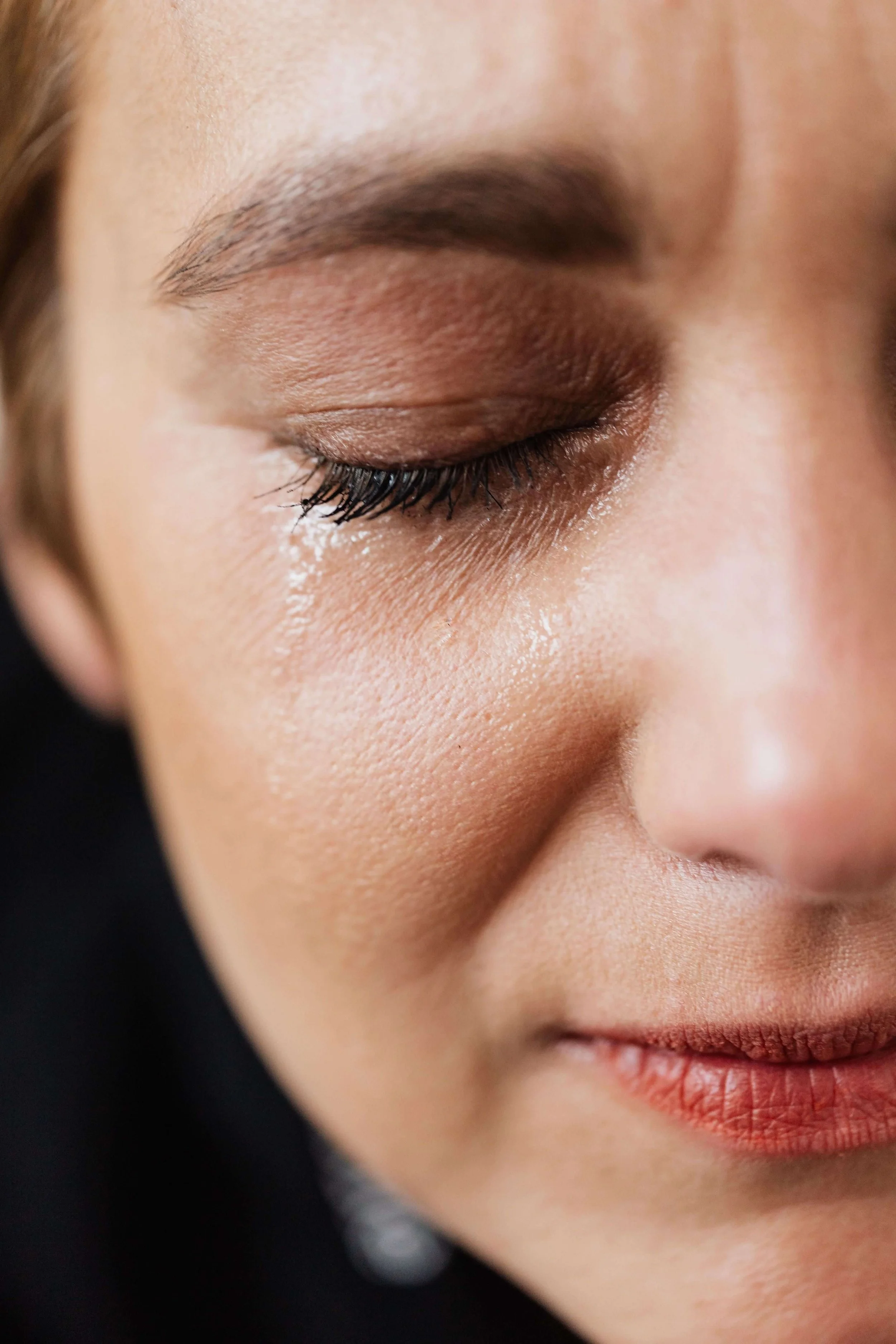
One minute you’re staring at your beautiful baby.
The next, you’re crying because someone asked how you are.
Or because the washing machine beeped.
Or because you’ve run out of milk.
Or because your baby finally fell asleep and suddenly the tears won’t stop.
If you’ve recently had a baby and find yourself crying more than usual, please know this:
You are not broken.
You are not failing.
And you are certainly not the only mother who has sat on the edge of the bed wondering why the tears won’t stop.
Many new mothers are surprised by the intensity of their emotions after birth. They expect to feel tired, but they don’t always expect to feel so emotional.
The good news is that crying after having a baby is incredibly common.
The challenge is knowing what is normal, what might help, and when it is time to seek support.
A Huge Transition
Having a baby is one of the biggest transitions a person can experience.
In a matter of days, everything changes.
Your body changes.
Your sleep changes.
Your routine changes.
Your relationships change.
Your responsibilities change.
And often, your sense of identity changes too.
Even when a baby is deeply loved and wanted, that level of change can feel overwhelming.
The Baby Blues Are Real
Around the third to fifth day after birth, many mothers experience what is commonly known as the baby blues.
You may feel:
Tearful
Emotional
Irritable
Overwhelmed
Sensitive
Anxious
You might find yourself crying over things that would not normally upset you.
In the days after birth, your body experiences one of the most dramatic hormonal shifts it will ever go through.
At the same time, you may be recovering physically, feeding around the clock, sleeping in short bursts, and adjusting to a completely new reality.
It is no wonder emotions often sit very close to the surface.
For many women, these feelings improve within the first couple of weeks.
Baby Blues, Postnatal Depression and Postnatal Anxiety: What’s The Difference?
One of the reasons many mothers worry is that they are unsure whether what they are feeling is normal adjustment, the baby blues, or something more significant.
Baby Blues
Baby blues are extremely common and usually improve within about two weeks after birth.
Although they can feel intense, they are generally temporary.
Postnatal Depression
Postnatal depression is different.
Symptoms may include:
Persistent sadness
Feeling numb or disconnected
Loss of interest in things you usually enjoy
Feelings of hopelessness
Excessive guilt
Feeling like you are failing as a mother
Difficulty bonding with your baby
Changes in appetite
Difficulty sleeping even when given the opportunity
These feelings often continue beyond the first couple of weeks and may gradually become more overwhelming.
Postnatal Anxiety
Not all mothers feel primarily sad.
Some feel anxious.
They may experience:
Constant worry
Racing thoughts
Difficulty relaxing
Fear that something bad will happen
Repeated checking behaviours
Feeling unable to switch off
Postnatal anxiety is common and deserves the same attention and support as postnatal depression.
The Impact Of Sleep Deprivation
As someone who has worked with newborns for many years, I believe we sometimes underestimate the impact of sleep deprivation on maternal wellbeing.
Interrupted sleep affects:
Mood
Concentration
Memory
Emotional regulation
Resilience
Anxiety levels
Many mothers are trying to recover physically while sleeping in short fragments around the clock.
Even a healthy, emotionally resilient person can begin to struggle when sleep is severely disrupted.
This does not mean that every emotional difficulty is caused by lack of sleep.
However, sleep deprivation can amplify almost every challenge a new mother faces.
You Can Love Your Baby And Still Find This Hard
One of the most damaging myths about motherhood is the idea that if you love your baby enough, everything should feel joyful.
The truth is that two things can exist at the same time.
You can adore your baby.
And you can find motherhood difficult.
You can feel grateful.
And exhausted.
You can feel deeply connected to your baby.
And still miss parts of your old life.
These experiences do not cancel each other out.
They simply make you human.
There Is No One Right Way To Feel About Motherhood
One of the greatest disservices we do to women is to suggest that there is a correct way to feel about becoming a mother.
Some women dream of motherhood their entire lives.
Others never felt particularly maternal until their baby arrived.
Some women love being pregnant.
Others count the days until it is over.
Some women enjoy the newborn stage and wish they could freeze time.
Others find the newborn months exhausting, repetitive, isolating, or overwhelming.
Some mothers feel an instant connection to their baby.
Others find that bond grows gradually over time.
All of these experiences can be normal.
Loving your baby and loving every stage of motherhood are not the same thing.
You can be deeply devoted to your child and still dislike pregnancy.
You can adore your baby and find the newborn stage incredibly difficult.
You can be grateful to be a mother and still miss parts of your previous life.
None of these feelings make you a bad mother.
They make you a human being having a real experience.
Sometimes There Is Grief Too
Grief is not something we talk about enough in motherhood.
When we hear the word grief, we usually think of losing someone we love.
But grief can also be the process of saying goodbye to a version of ourselves or a life that no longer exists.
This can be confusing because you may be holding a baby you love more than you ever thought possible.
And yet, there can still be grief.
Grief for the freedom you once had.
Grief for the spontaneity of your old life.
Grief for uninterrupted sleep.
Grief for the version of yourself who could leave the house without planning around feeds, naps, or a changing bag.
Grief for a career that has been paused.
Grief for relationships that have changed.
Grief for dreams and plans that have been put on hold, at least for now.
This does not mean you regret becoming a mother.
It simply means that every major life transition involves both gains and losses.
Sometimes The Grief Begins Before The Baby Arrives
Over the years, I have spoken to mothers who told me something surprising.
In the final days of pregnancy, before their first baby was born, they found themselves crying.
Not because they didn’t want their baby.
Not because they weren’t excited.
But because they could feel a chapter of their life coming to an end.
Some described looking at their partner and suddenly realising:
“It will never be just the two of us again.”
Others spoke about feeling a deep fear of how profoundly parenthood would change them.
If you experienced feelings like these before your baby was born, please know that you were not being selfish, ungrateful, or a bad mother.
You were standing on the edge of one of life’s biggest transformations.
Motherhood Can Be Surprisingly Isolating
One of the things many women are unprepared for is how lonely motherhood can sometimes feel.
You can spend all day with another human being and still feel isolated.
A mother whose baby is sleeping long stretches may hesitate to mention it because she worries about upsetting other mothers who are struggling.
A mother whose baby wakes every hour may feel embarrassed, exhausted, or afraid of being judged.
Many women find themselves surrounded by people while simultaneously feeling misunderstood and alone.
Missing The Conversations You Used To Have
For women who previously worked outside the home, ran businesses, studied, travelled, or built careers, the transition can feel particularly strange.
Suddenly, conversations that once revolved around ideas, projects, books, current events, or future plans can become focused on:
Sleep
Feeding
Nappies
Baby milestones
While these topics are important, some women quietly miss the stimulation of adult conversation.
They miss discussing subjects that have nothing to do with babies.
They miss feeling intellectually challenged.
This does not mean they love their baby any less.
It simply means they are still a whole person.
Motherhood adds to who you are.
It does not erase the rest of you.
The Mother You Become May Not Be The Mother You Imagined
Before we have children, many of us carry an image of the mother we think we will be.
Then real life arrives.
And sometimes the mother we become looks quite different from the mother we imagined.
Not because we have failed.
But because reality is more complicated than imagination.
The goal is not to become the mother you imagined.
The goal is to become the mother your child actually has.
The real mother.
The imperfect mother.
The learning mother.
The growing mother.
In my experience, that mother is often far more beautiful than the one we imagined before our children arrived.
The Mother Matters Too
One of the things that saddens me most is how quickly the focus shifts entirely to the baby.
People ask:
“Is the baby sleeping?”
“Is the baby feeding?”
“How much does the baby weigh?”
Meanwhile, the mother who has just gone through pregnancy, birth, and one of the biggest life transitions imaginable often quietly says:
“I’m fine.”
But you matter too.
Your wellbeing matters.
Your sleep matters.
Your recovery matters.
Your feelings matter.
A baby does not need a perfect mother.
A baby needs a supported mother.
If You Have A History Of Mental Health Difficulties, Pay Extra Attention
If you have previously experienced depression, anxiety, panic attacks, significant trauma, postnatal depression, or emotional difficulties during pregnancy, please be especially gentle with yourself after birth.
Having a previous history does not mean you will automatically struggle again.
But it does mean you may benefit from paying closer attention to your wellbeing and seeking support earlier rather than later.
There is no prize for waiting until you are completely overwhelmed.
One of the most powerful things a mother can do is recognise when she needs support and allow herself to receive it.
When Should I Seek Extra Support?
Please seek professional support if:
Your sadness feels overwhelming
Symptoms persist beyond the first couple of weeks
You feel unable to cope
Anxiety is interfering with daily life
You are struggling to bond with your baby
You feel hopeless
You have thoughts of harming yourself or your baby
Urgent medical help should be sought if you experience severe confusion, hallucinations, delusional thoughts, paranoia, mania, or feel unsafe.
You do not have to struggle alone.
Support is available, and recovery is possible.
A Final Thought
If you have been crying more than usual since having your baby, I hope you will offer yourself the same kindness you would offer a dear friend.
You have been through a great deal.
You are learning.
You are adjusting.
You are recovering.
And you are caring for a tiny human who depends on you for everything.
That is a lot.
Motherhood is not just the birth of a baby.
It is also the birth of a mother.
And just like babies, mothers need time, care, support, and compassion as they grow.
Be as gentle with yourself as you would be with your baby.
You deserve that kindness too.
This article is not a substitute for medical advice. If you are concerned about your mental health, please speak with your GP, midwife, health visitor, or another qualified healthcare professional.
About Solange
Solange Martins Stanger is the founder of SOL Coaching, a women’s coach, maternity nurse and mother of two, with over 15 years of experience supporting families. She understands how deeply motherhood can change a woman’s sense of herself. Her work offers space for women to feel heard, reconnect with their own needs and explore what they want for their lives—alongside caring for the people they love.